

The second hearing was held in the case where journalist Tuğçe Yılmaz is being tried on the charge of “publicly insulting the Turkish nation.” After the session, which took place about 4.5 months after the first hearing, the file was this time postponed to a date approximately 6 months later.
MLSA – The second hearing of the case filed against journalist Tuğçe Yılmaz over the charge of “publicly insulting the Turkish nation” (TCK 301), due to a news report published on Bianet, was held at the Istanbul 2nd Criminal Court of First Instance.
At the hearing, the prosecutor presented the opinion on the merits and requested that Yılmaz be punished. Yılmaz’s lawyers asked for time to prepare defense statements against the opinion. The court accepted this request and adjourned the hearing to Oct. 20 at 10:00 a.m.
The first hearing in the file had been held on Dec. 2. After the second hearing was held approximately 4.5 months later, with the new hearing date, the case has this time also been postponed to about 6 months later. Thus, the trial process has spread over a total of approximately 10.5 months. The long adjournment periods continue to be a matter of debate in terms of the right to a fair trial.
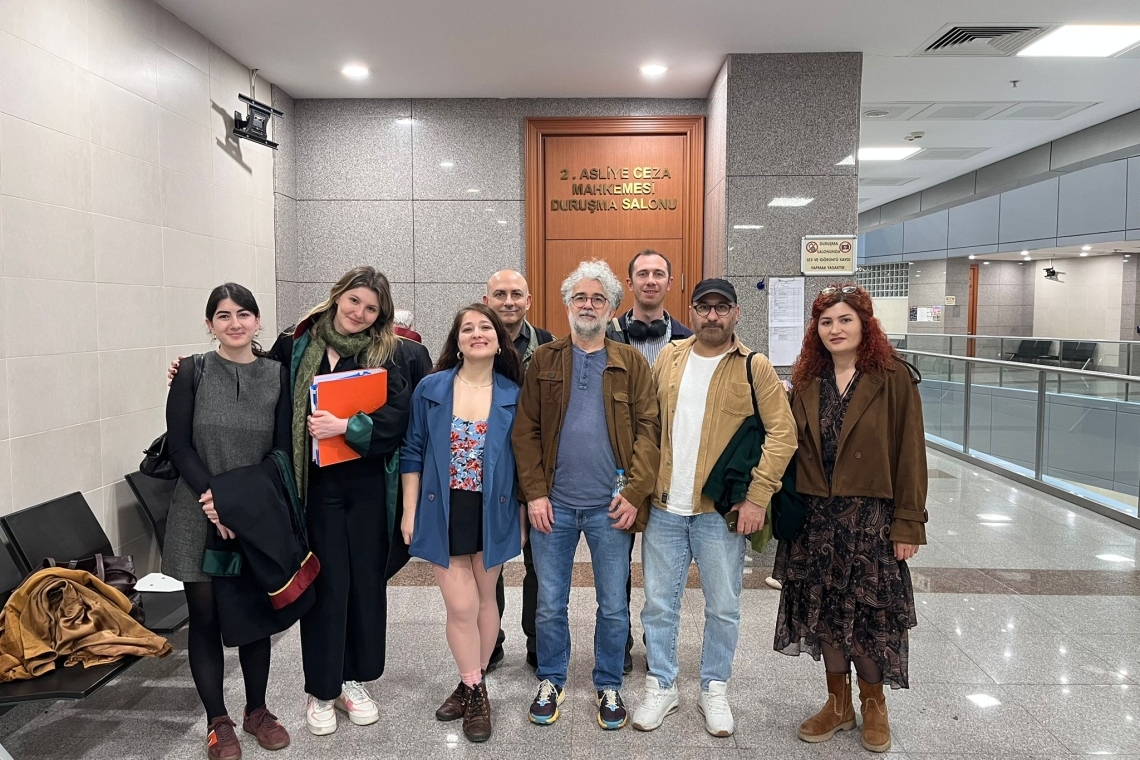
Tuğçe Yılmaz attended the hearing along with her lawyers Deniz Yazgan and Didare Hazal Sümeli from the MLSA Legal Unit. The hearing was monitored by RSF Turkey Representative Erol Önderoğlu and CPJ Turkey Representative Özgür Öğret, as well as MLSA and Punto24 observers.
What happened?
A case was filed against Bianet editor Tuğçe Yılmaz under TCK 301 due to an interview titled “Armenian youth from Turkey speak: A mourning lasting 109 years.” In her defense statement at the first hearing, Yılmaz stated that her being tried stemmed from her journalistic activities, saying, “It is my profession that is wanted to be put on trial.”
Within the scope of the investigation launched upon a complaint made to CİMER following the news report, Yılmaz, who was detained, stated that she carried out journalism within the scope of freedom of expression and that the accusations lack legal basis. Her lawyers also argued that both the investigation was not initiated within the legal time limit and that the CİMER application cannot be considered a legally valid complaint.
At the first hearing, the court had adjourned the case in order for the prosecutor to prepare the opinion on the merits.