

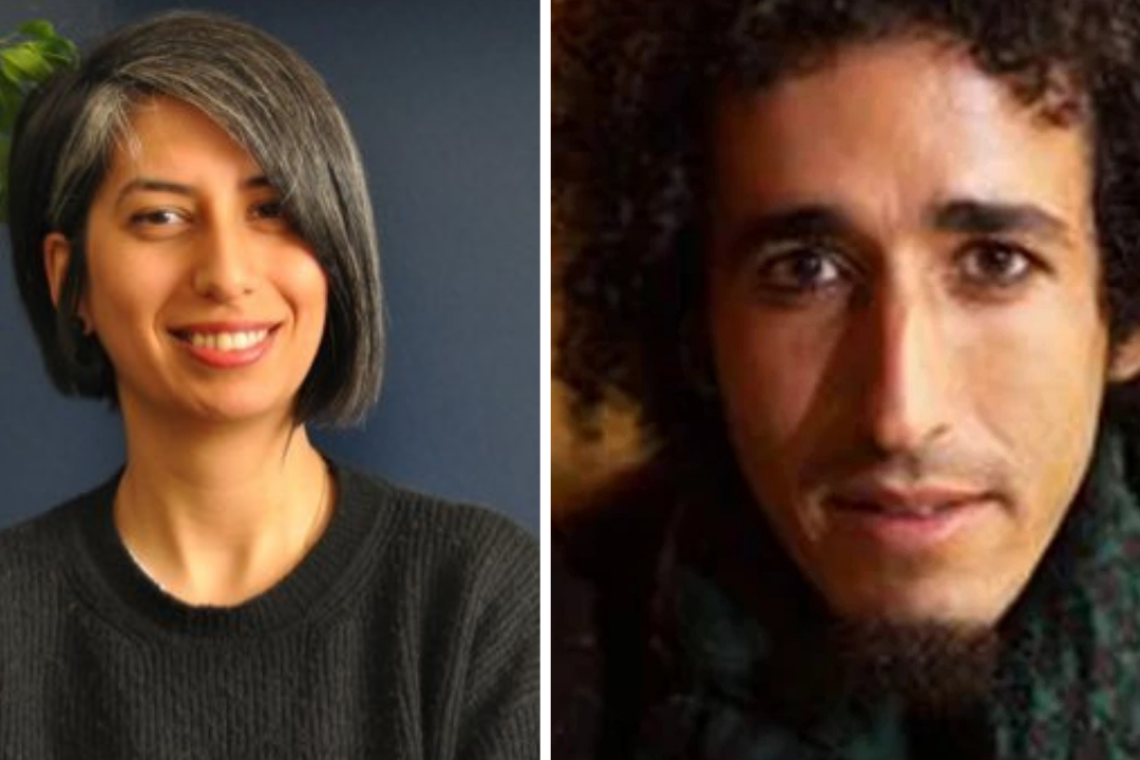
𝗔 𝗹𝗮𝘄𝘀𝘂𝗶𝘁 𝗵𝗮𝘀 𝗯𝗲𝗲𝗻 𝗳𝗶𝗹𝗲𝗱 𝗮𝗴𝗮𝗶𝗻𝘀𝘁 𝗷𝗼𝘂𝗿𝗻𝗮𝗹𝗶𝘀𝘁 𝗖𝗮𝗻𝗮𝗻 𝗖𝗼𝘀̧𝗸𝘂𝗻, 𝗱𝗼𝗰𝘂𝗺𝗲𝗻𝘁𝗮𝗿𝘆 𝗳𝗶𝗹𝗺𝗺𝗮𝗸𝗲𝗿 𝗞𝗮𝘇ı𝗺 𝗞ı𝘇ı𝗹 𝗮𝗻𝗱 S𝗮𝗯𝗮𝗻 𝗩𝗮𝘁𝗮𝗻, 𝘁𝗵𝗲 𝗳𝗮𝘁𝗵𝗲𝗿 𝗼𝗳 𝟭𝟭-𝘆𝗲𝗮𝗿-𝗼𝗹𝗱 𝗥𝗮𝗯𝗶𝗮 𝗡𝗮𝘇 𝗩𝗮𝘁𝗮𝗻, 𝘄𝗵𝗼 𝗱𝗶𝗲𝗱 𝘂𝗻𝗱𝗲𝗿 𝘀𝘂𝘀𝗽𝗶𝗰𝗶𝗼𝘂𝘀 𝗰𝗶𝗿𝗰𝘂𝗺𝘀𝘁𝗮𝗻𝗰𝗲𝘀 𝗶𝗻 𝟮𝟬𝟭𝟴 𝗶𝗻 𝗘𝘆𝗻𝗲𝘀𝗶𝗹, 𝗮 𝗱𝗶𝘀𝘁𝗿𝗶𝗰𝘁 𝗼𝗳 𝗚𝗶𝗿𝗲𝘀𝘂𝗻 𝗽𝗿𝗼𝘃𝗶𝗻𝗰𝗲 𝗼𝗻 𝗧𝘂𝗿𝗸𝗲𝘆’𝘀 𝗕𝗹𝗮𝗰𝗸 𝗦𝗲𝗮 𝗰𝗼𝗮𝘀𝘁. 𝗖𝗼𝘀̧𝗸𝘂𝗻 𝗮𝗻𝗱 𝗞ı𝘇ı𝗹 𝗵𝗮𝗱 𝗯𝗲𝗲𝗻 𝗶𝗻𝘃𝗲𝘀𝘁𝗶𝗴𝗮𝘁𝗶𝗻𝗴 𝗥𝗮𝗯𝗶𝗮 𝗡𝗮𝘇’𝘀 𝗱𝗲𝗮𝘁𝗵. 𝗧𝗵𝗲 𝘁𝗵𝗿𝗲𝗲 𝗮𝗿𝗲 𝗮𝗰𝗰𝘂𝘀𝗲𝗱 𝗼𝘃𝗲𝗿 𝗮𝗻 𝗶𝗻𝘁𝗲𝗿𝘃𝗶𝗲𝘄 𝘁𝗵𝗲𝘆 𝗰𝗼𝗻𝗱𝘂𝗰𝘁𝗲𝗱 𝘄𝗶𝘁𝗵 𝗮 𝘄𝗶𝘁𝗻𝗲𝘀𝘀 𝗮𝘁 𝘁𝗵𝗲 𝘀𝗰𝗲𝗻𝗲. 𝗧𝗵𝗲 𝗳𝗶𝗿𝘀𝘁 𝗵𝗲𝗮𝗿𝗶𝗻𝗴 𝘄𝗶𝗹𝗹 𝗯𝗲 𝗵𝗲𝗹𝗱 𝗼𝗻 𝗢𝗰𝘁. 𝟮𝟮.
ISTANBUL — A lawsuit has been filed against journalist Canan Coşkun, documentary filmmaker Kazım Kızıl and Şaban Vatan, the father of Rabia Naz Vatan, over their investigation into the girl’s death in Eynesil, a district of Giresun province on Turkey’s Black Sea coast.
According to a news report by Ayça Söylemez of BirGün, the three are charged with “depriving a person of their liberty by using force or threats, acting jointly with more than one person” over an interview they conducted with witness Mürsel Küçükal at the scene. The indictment also charges Kızıl with “attempting to influence a fair trial.”
The first hearing in the case will be held on Oct. 22 at the Görele 1st Criminal Court of First Instance.
Rabia Naz’s death
Eleven-year-old Rabia Naz Vatan was found injured in front of her home in Eynesil, a district of Giresun province on Turkey’s Black Sea coast, on April 12, 2018. She died at the hospital where she was taken.
Prosecutors later decided not to pursue charges, concluding that Rabia Naz had died after falling from the roof of her home.
In a statement, the Giresun Chief Public Prosecutor’s Office also cited a report by the 1st Specialization Board of the Istanbul Forensic Medicine Institute. The report said the fractures on her body were findings specifically consistent with a fall from a height onto her feet and that her death was not caused by a traffic accident.
Interview with witness becomes subject of case
Mürsel Küçükal was the last person to see Rabia Naz lying injured on the ground. Küçükal later also testified before a parliamentary commission established to investigate the case.
Journalist Canan Coşkun sought to interview Küçükal on Nov. 11, 2019, while she was in Eynesil investigating Rabia Naz’s death. According to Coşkun’s account, Küçükal took her to the scene during the interview and began describing what he had witnessed.
At the time, Şaban Vatan and Kazım Kızıl, who were returning from Rabia Naz’s grave, saw Coşkun and the witness at the scene and approached them. Küçükal later filed a complaint, alleging that Vatan had forced him to crawl on the ground and mistreated him on the grounds that he wanted Küçükal to reenact the incident.
The indictment alleges that Vatan, Coşkun and Kızıl asked Küçükal to reenact Rabia Naz’s condition at the time of the incident and recorded footage of him being made to crawl on the ground.
Coşkun: Footage was used to criminalize us
The investigation file also included audio recordings indicating that Coşkun did not want Küçükal to crawl on the ground and tried to stop him from doing so. Although Coşkun and Kazım Kızıl stated in their testimony that they were disturbed by the situation and left the scene, they were nevertheless named as defendants in the case.
In comments to BirGün, Coşkun said the case file had been kept open for seven years. She said footage they recorded and interviews they conducted while investigating Rabia Naz’s death were seized as part of the investigation and later used against them.
“This file was kept open for seven years,” Coşkun told BirGün. “The footage we recorded and the interviews we conducted while investigating Rabia Naz’s suspicious death were seized and ultimately used to criminalize us as part of this case.
“In its 2025 ruling on an application filed by Rabia Naz Vatan’s family, the Constitutional Court ruled that ‘the investigation was conducted carelessly and was not carried out with the depth and seriousness it required.’ We had reached the same conclusion in our reporting in Eynesil.
“In the same ruling, the Constitutional Court argued that ‘because a long period of time had passed, there was no legal benefit in reopening the investigation.’ Had our journalistic activities in Eynesil not been obstructed, the findings the Constitutional Court reached seven years after the incident would have emerged much earlier.”